
SGLT2 HYPE
A project for improving hypertension treatment
Hypertension, a leading cause of serious heart and kidney diseases, affects over 80 million people in the EU and contributes to one million deaths annually. Despite the availability of treatments, many patients continue to face significant health risks due to inadequate blood pressure control.
SGLT2 inhibitors, a class of drugs commonly used for diabetes and heart failure, have shown potential in lowering blood pressure and providing organ protection due to pleiotropic effects. However, research is required to confirm their effectiveness in hypertension management. SGLT2 HYPE aims to address this evidence gap to improve the prognosis of millions of patients with hypertension.


News & Events

Meet the SGLT2 HYPE Team
Seven new video interviews now online!
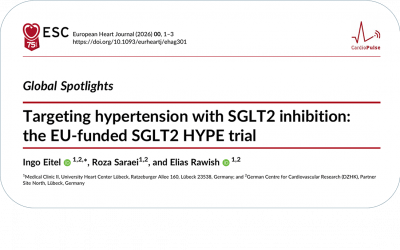
The first publication of the SGLT2 HYPE project is now available in the European Heart Journal (CardioPulse)!
The article presents the scientific rationale and trial design of SGLT2 HYPE — the first large-scale, randomized, outcome-driven trial investigating SGLT2 inhibition as a novel therapeutic strategy for hypertension. The project aims to generate robust evidence on cardiovascular and renal protection beyond blood pressure lowering and to help shape future hypertension care across Europe.
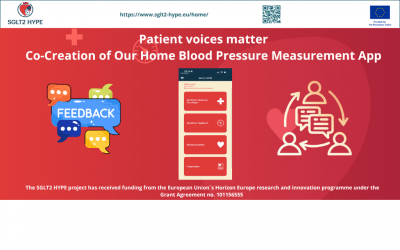
Patient Perspectives in the Development of the SGLT2 HYPE Home Blood Pressure App
Explore patient perspectives on the SGLT2 HYPE home blood pressure app supporting hypertension monitoring and patient engagement

